
Revitalization at the foot of Cerro de la Campana
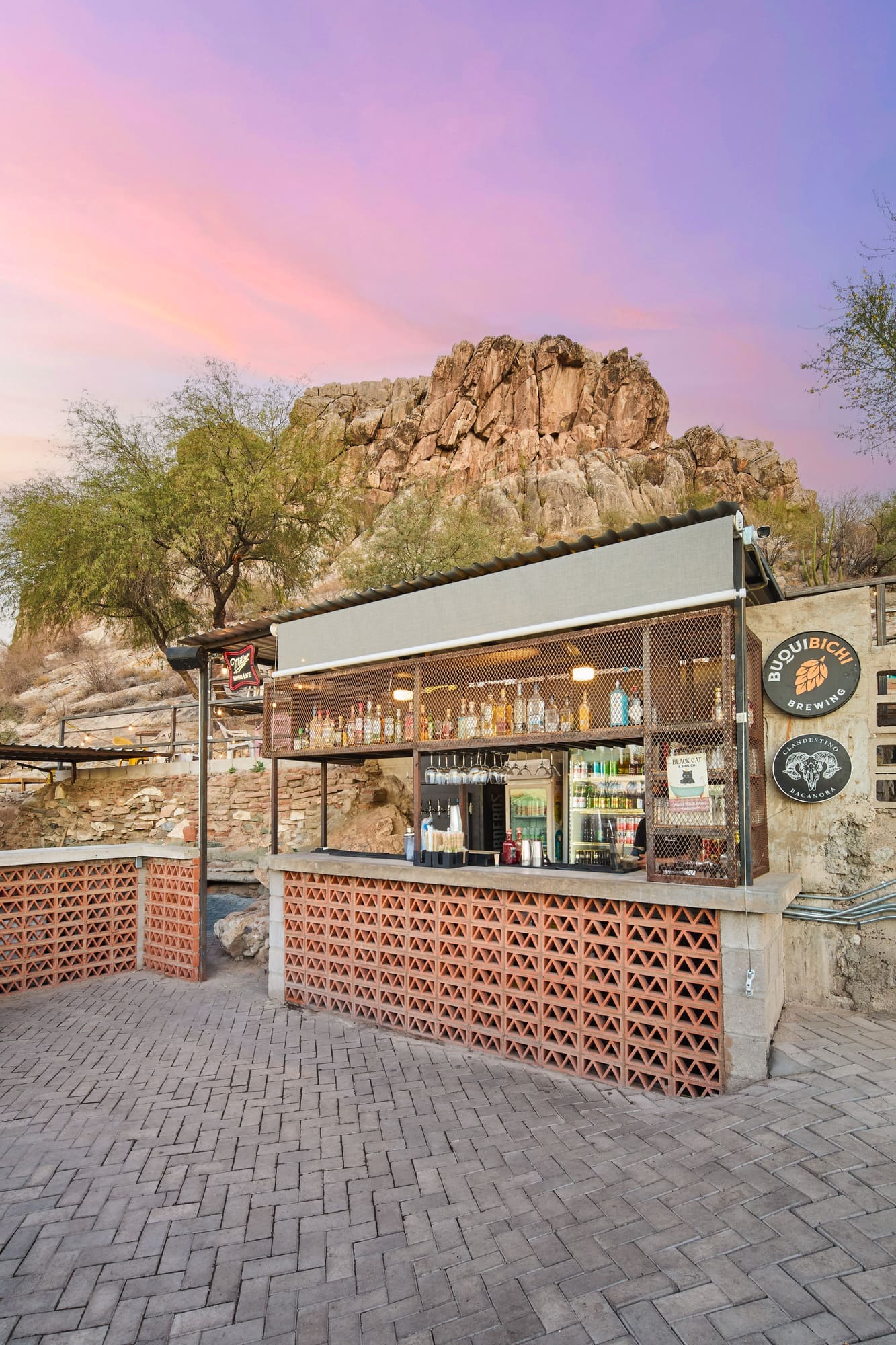
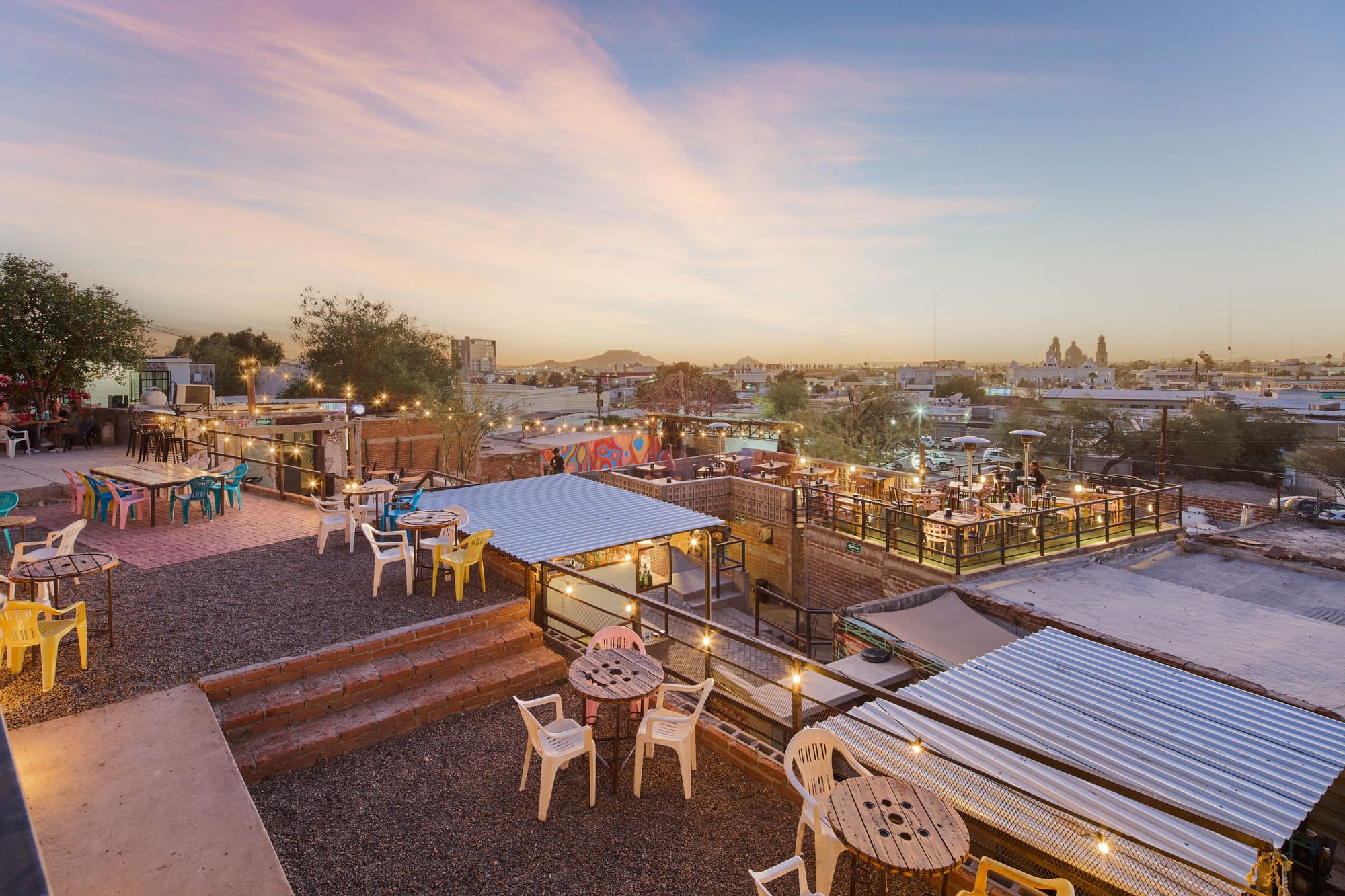
The project is located in a traditionally marginalized neighborhood, on the northern slope of the emblematic Cerro de la Campana. For decades, this sector lacked decent infrastructure and employment opportunities, resulting in a fragmented and disused urban fabric.
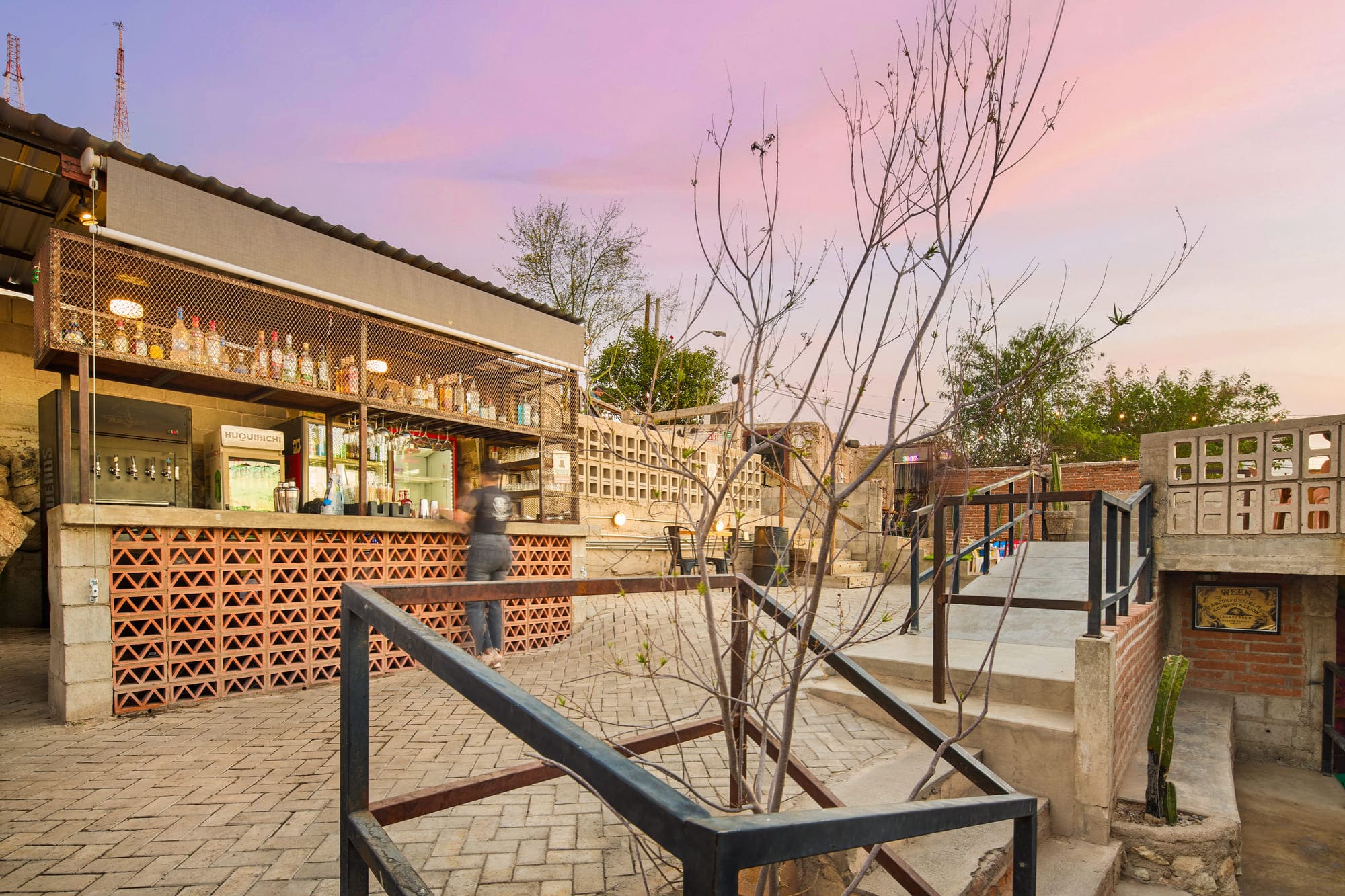
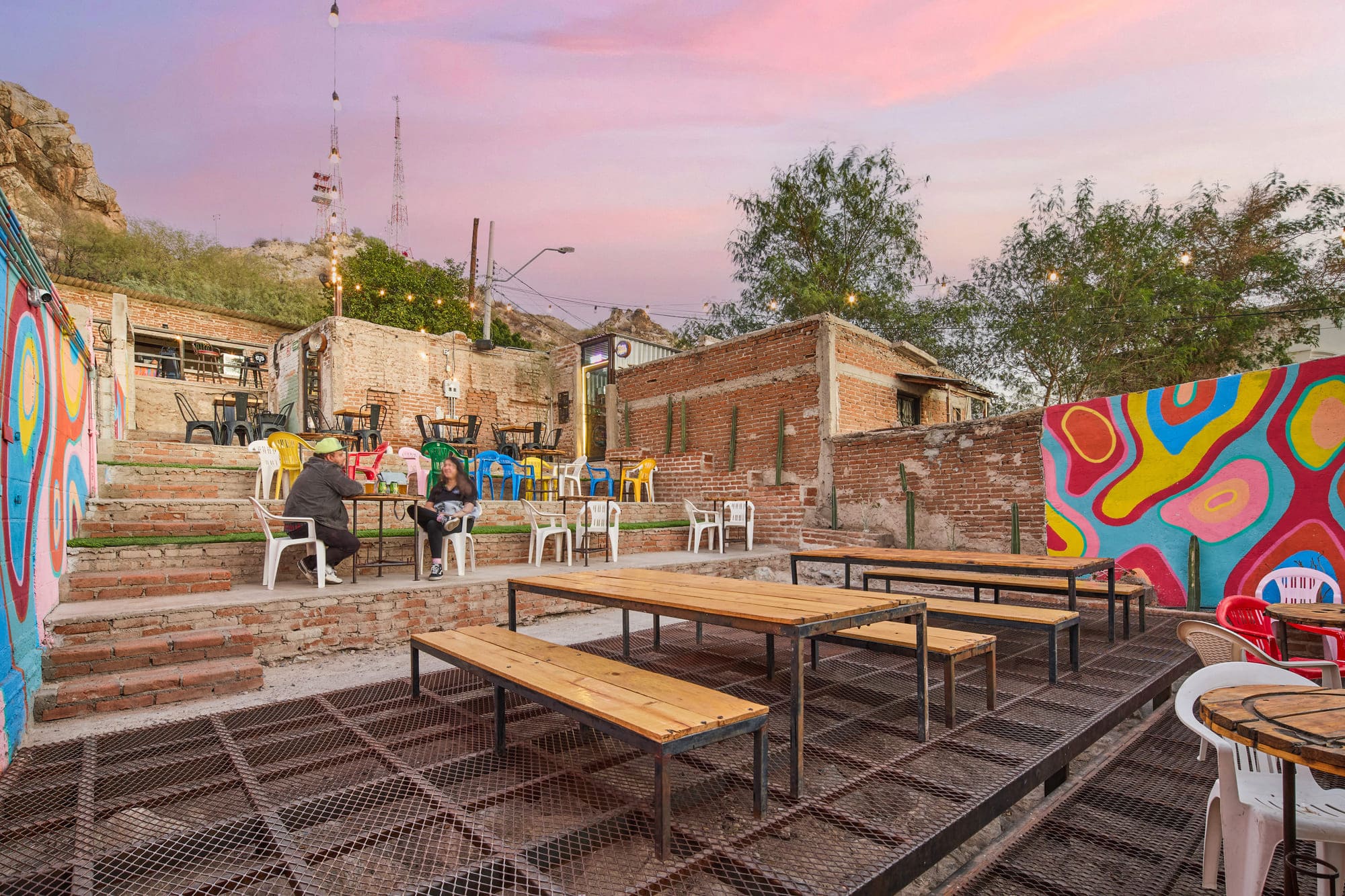
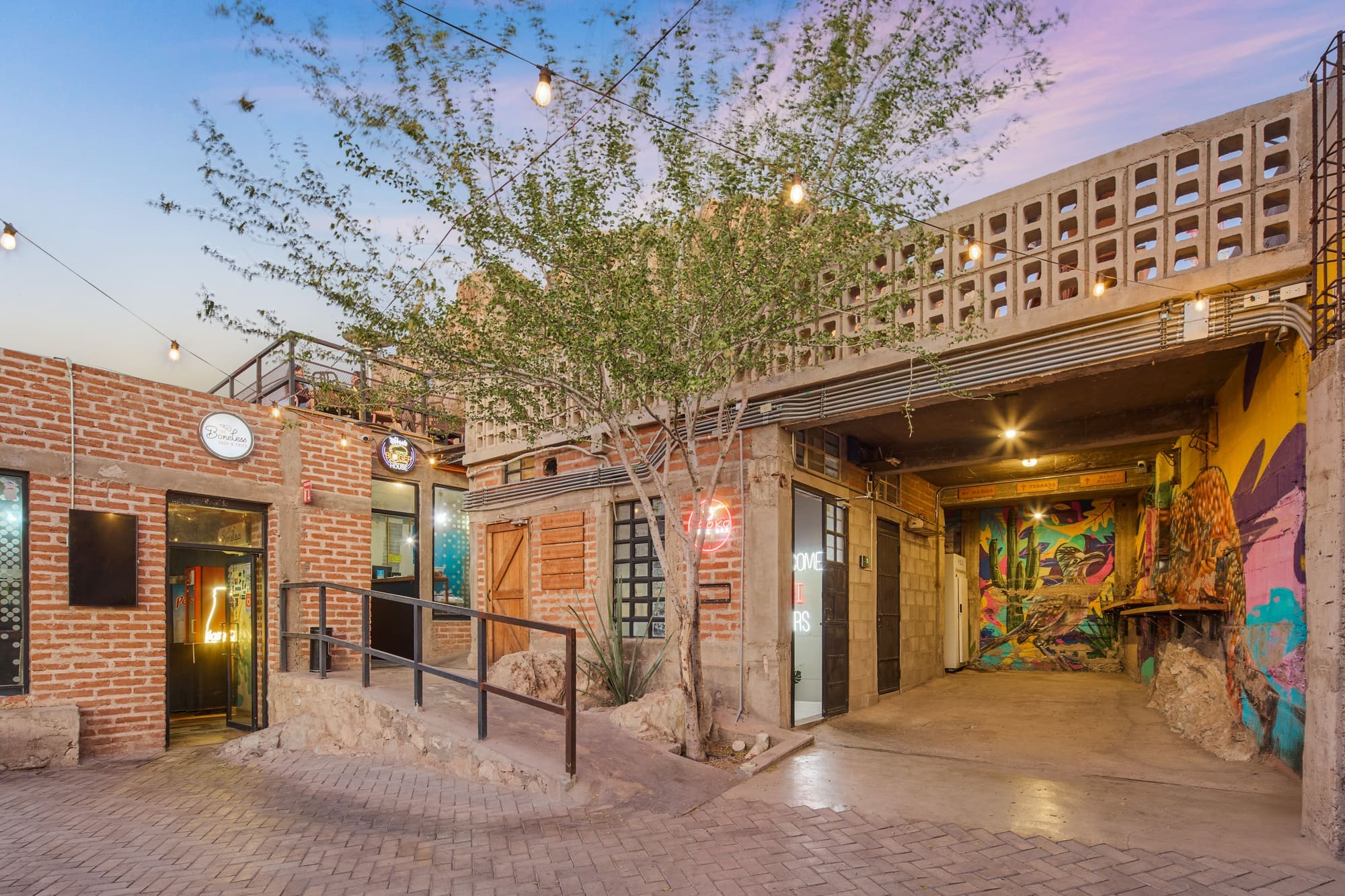
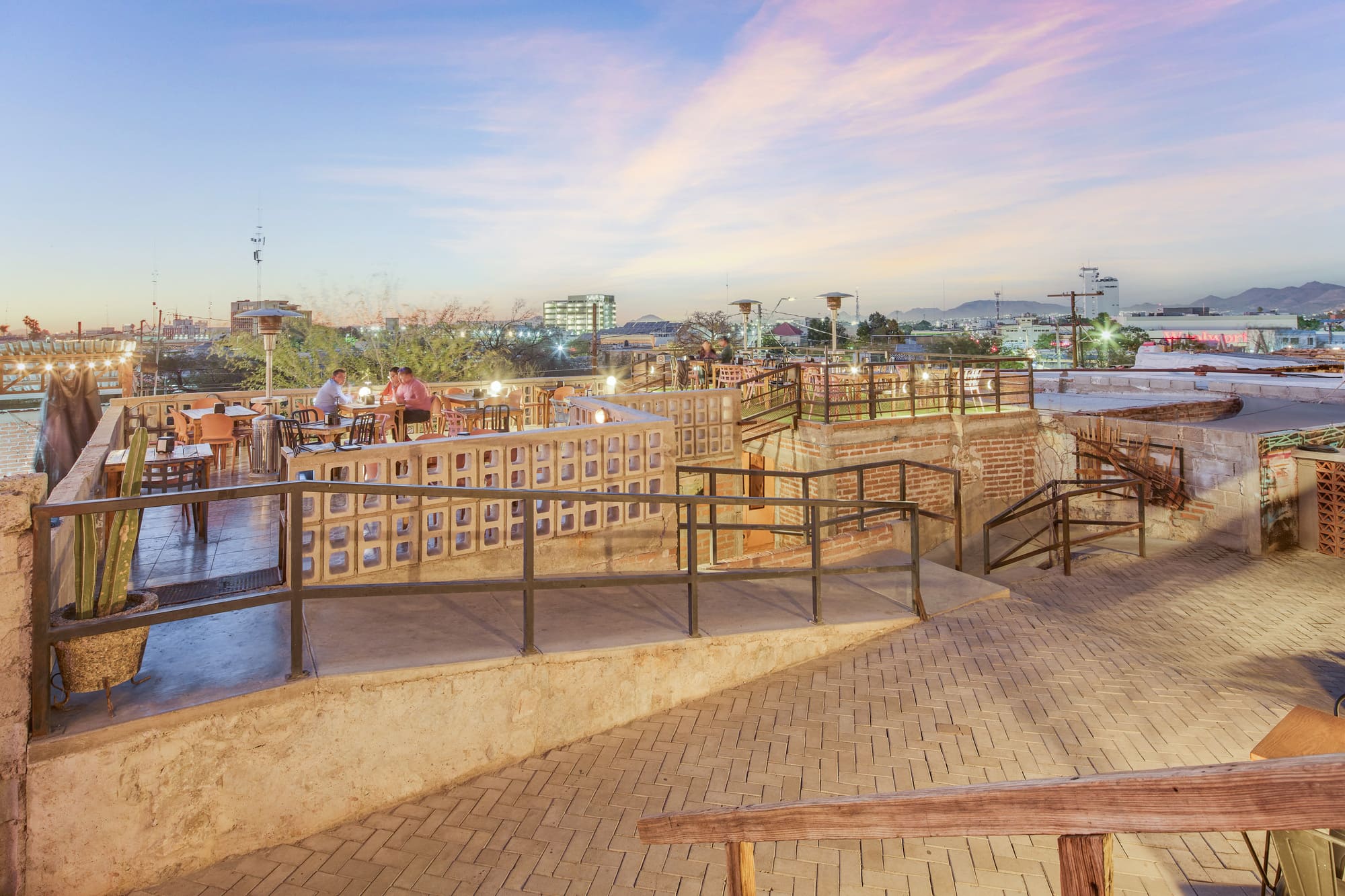
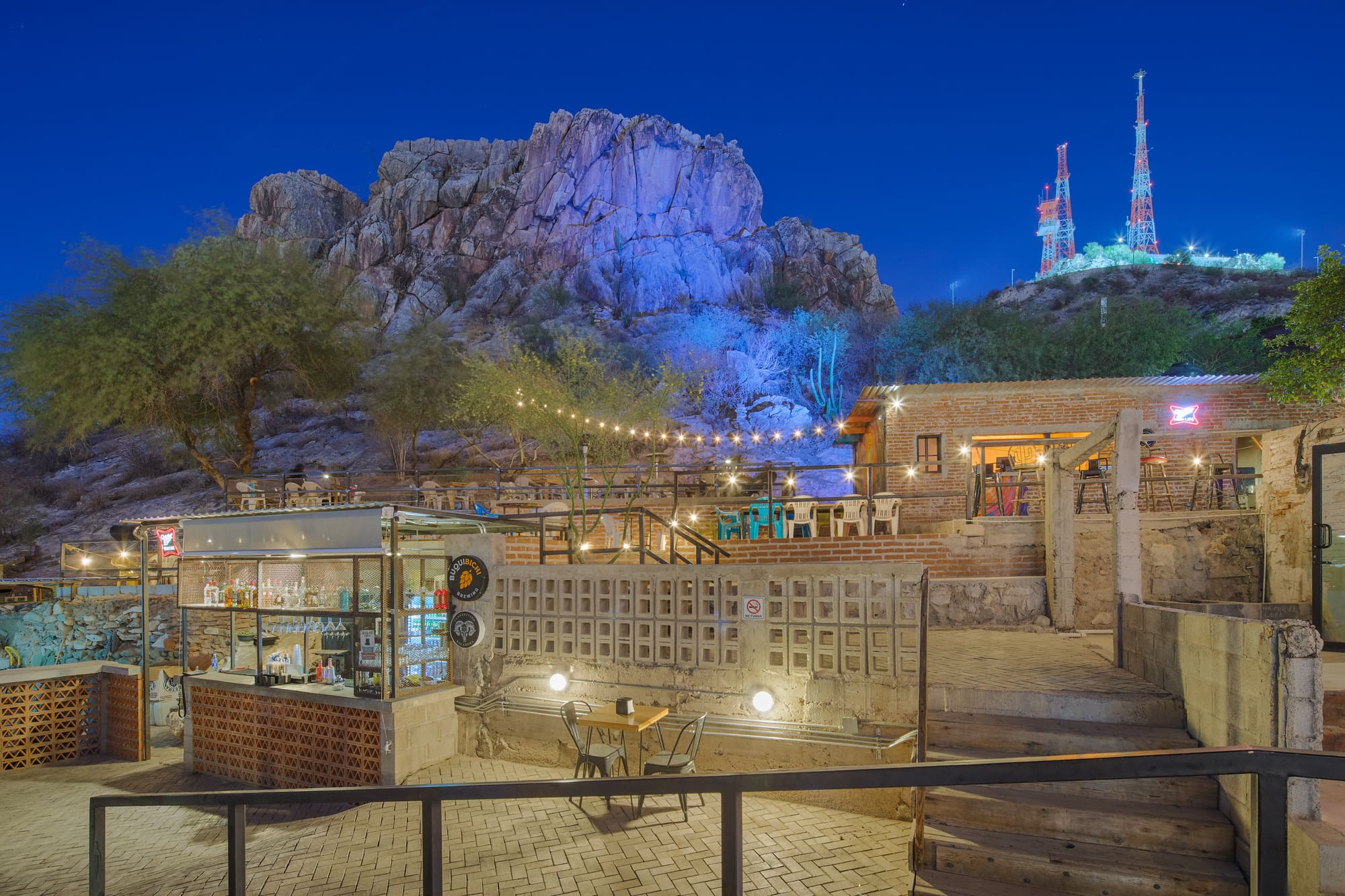
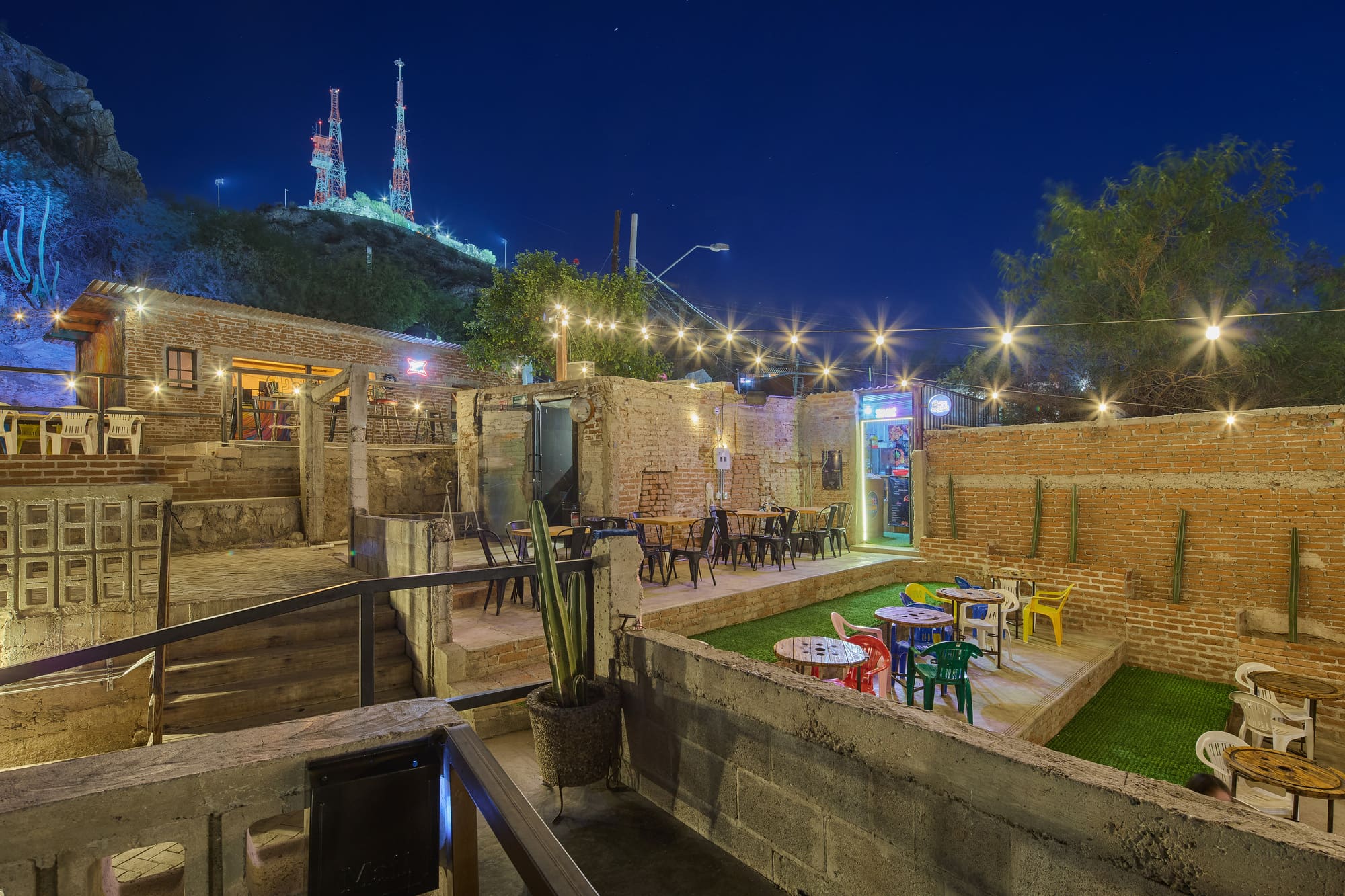
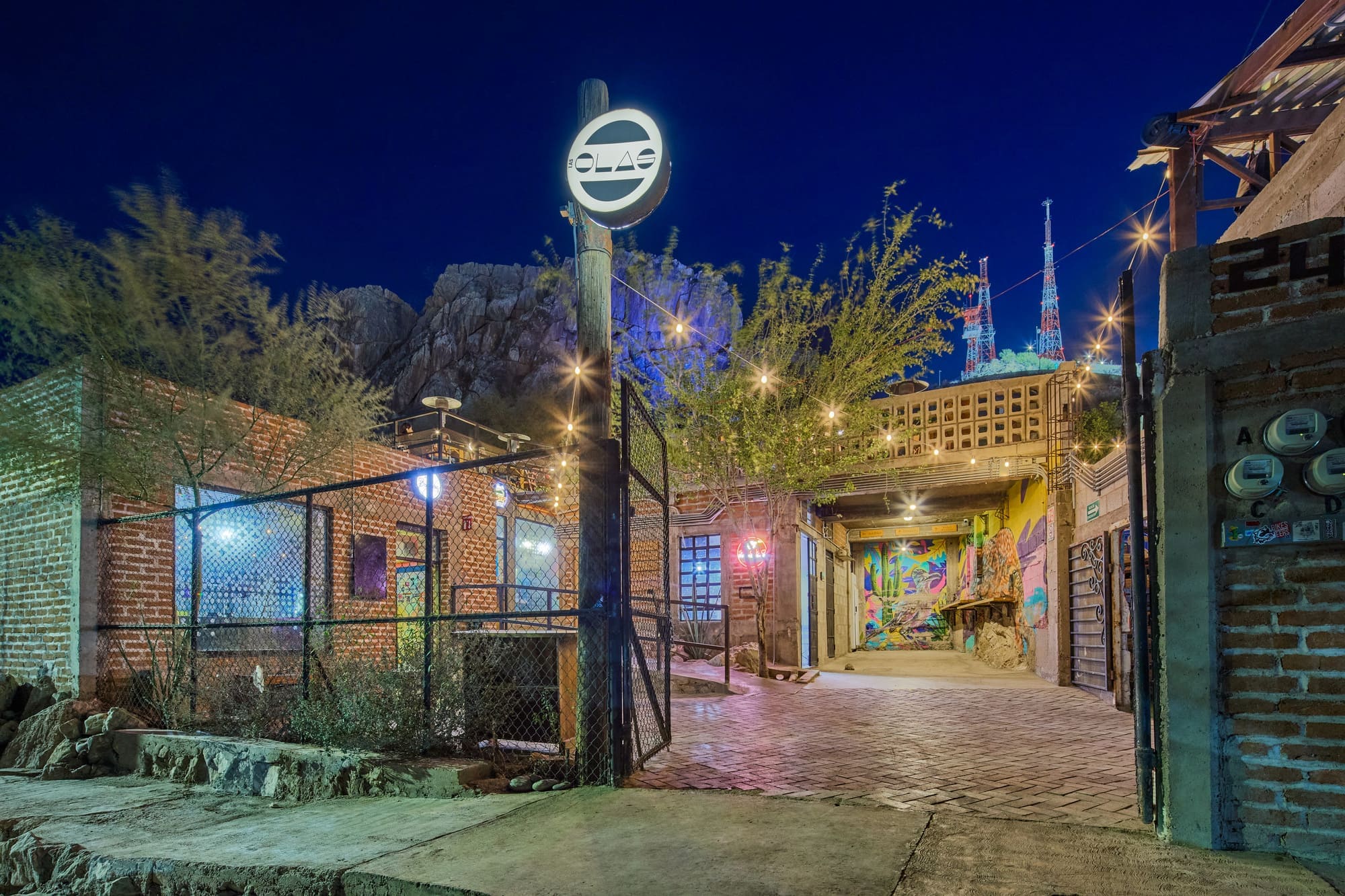
Based on the idea of “living city architecture”, the design connects a group of small businesses, generating a pedestrian circuit that links the base of the hill with the existing urban fabric. Each architectural module – from commercial premises to – is articulated around courtyards and open corridors, favoring interaction and the continuous flow of people.
The project creates direct jobs on site and in the operation of the new spaces. In addition, the practical training of neighbors is encouraged, who participate in construction and management processes, strengthening the sense of belonging and social cohesion.
Priority is given to local materials and elements rescued from old buildings (bricks, beams, ironworks) are reused.
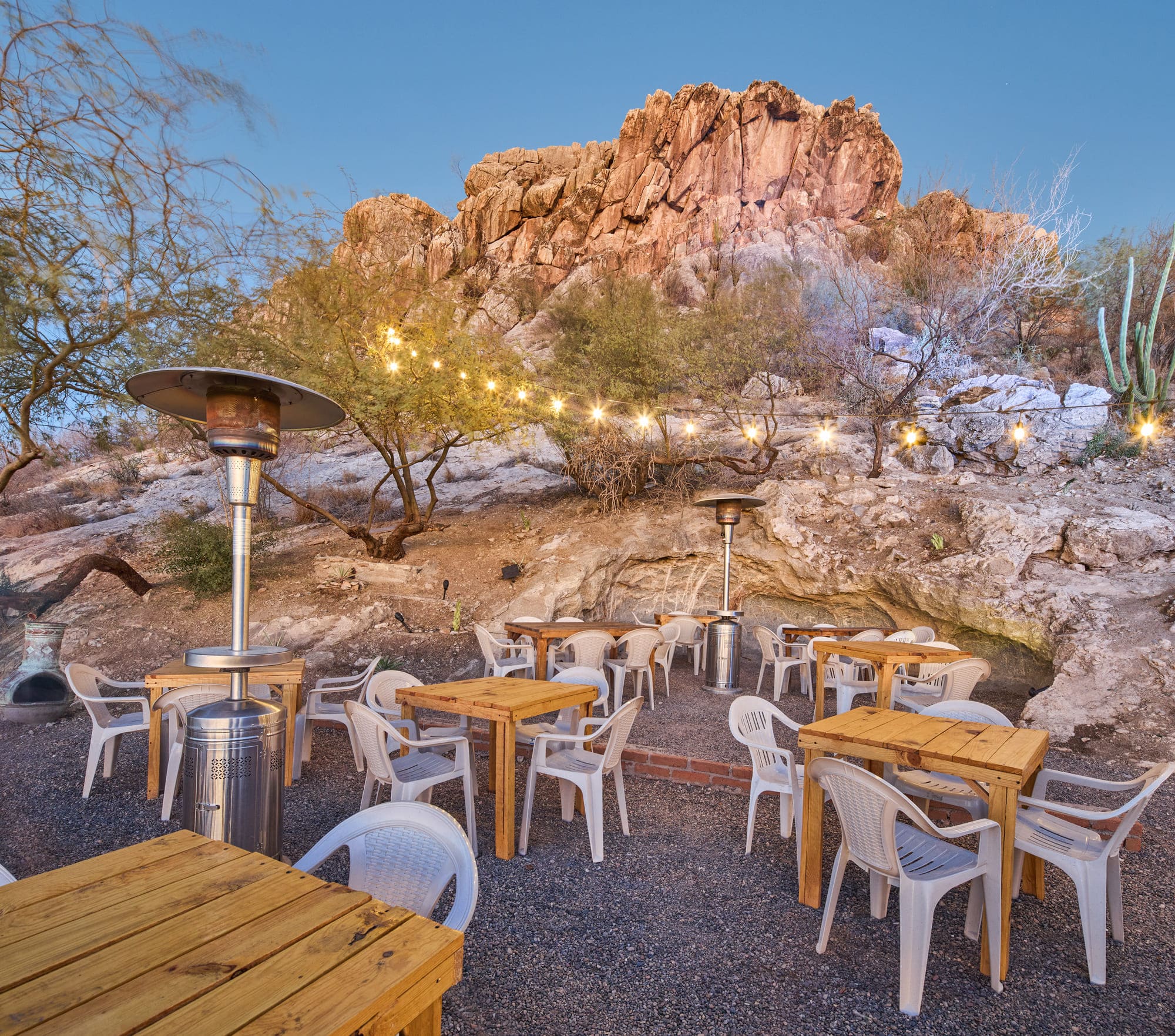
The intervention adapts to the topography without aggressive clearing: the volumes are “staggered” following the contour lines and are located at strategic points to preserve the native vegetation and the views towards the city.
By consolidating a commercial and cultural axis, the project reinforces connectivity between neighborhoods, boosts the local economy. This intervention is a catalyst for social and architectural transformation, demonstrating how architecture—with the right materials, forms, and processes—can weave community and open up new possibilities for development.